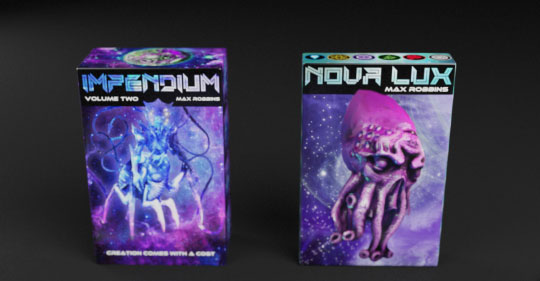
Let’s be nerdy for a second: launching a board game Kickstarter with no audience is a bit like organizing game night and forgetting to invite anyone.
Your game might be fantastic. Your miniatures might be gorgeous. But people can’t back a project they haven’t heard of. A board game Kickstarter pre-launch marketing plan gives you a repeatable way to find the right players, earn their attention, and get them ready for launch day.
Good news: you don’t need an enormous agency budget to get started. You do need a system. Let’s build one.
Why your Kickstarter marketing starts before launch
The pre-launch phase isn’t a waiting room. It’s where you learn whether your pitch resonates, grow a list of interested potential backers, and discover the questions your campaign page needs to answer.
At Crowdfunding Nerds, we call our approach the Virtuous Cycle: reach likely fans, invite them into your community, keep the conversation going, and make it easier for them to share your game with others. The goal isn’t vanity metrics. It’s a growing group of humans who actually want to play your game.
The big idea: Pre-launch marketing should build relationships and useful signals, not just chase a big follower number. An engaged crowd is more valuable than an uninterested one.
Step 1: Find the players most likely to love your game
“Board gamers” is not an audience. It’s a very large collection of people who disagree passionately about worker placement.
Get more specific. Is your game a crunchy economic strategy title, a two-player duel, a cozy family game, or a miniature-heavy campaign adventure? Make a shortlist of comparable games, communities, conventions, reviewers, and creators your ideal backer already follows.
- Write a one-sentence pitch: what makes your game exciting and different?
- Show actual gameplay: a compelling table photo or short demo usually says more than abstract hype.
- Listen for objections: price, complexity, playtime, components, and delivery expectations are all useful feedback.
Your first job isn’t convincing everyone. It’s helping the right people recognize that this game is for them.
Step 2: Work backward from your funding goal
Before picking an ad budget, ask what launch success would require. Divide your funding goal by your estimated average pledge to estimate the number of backers you need. Then model multiple scenarios for how many qualified subscribers or followers might convert.
For example, a hypothetical $30,000 goal with an $80 average pledge requires roughly 375 backers before fees, taxes, and other financial considerations. Your list may need to be much larger than 375 because not everyone who signs up will pledge. Treat conversion estimates as planning assumptions, not promises.
Track email subscribers, Kickstarter followers, engagement, and cost per qualified lead separately. If you’re starting at zero, read our deeper guide to building your first 1,000 Kickstarter followers.
Step 3: Build a simple pre-launch landing page
Your landing page has one main job: turn curious players into people you can contact again, with their permission. Keep it simple. Show what the game is, why it’s fun, and what people should do next.
- A strong game visual and clear one-sentence hook.
- Two or three specific reasons players will love it.
- An easy opt-in form with a clear explanation of what emails they’ll receive.
- Trust-builders: prototype photos, gameplay footage, designer identity, or genuine playtester reactions.
- A mobile-friendly layout and a clear confirmation message.
When Kickstarter’s pre-launch page is available, invite your subscribers to follow it too. Email and platform followers serve different purposes; you don’t have to choose just one.
Step 4: Give your email list a reason to care
Collecting emails and going silent until launch day? That’s not a strategy. That’s a disappearing act.
Send useful, reasonably paced updates: a gameplay reveal, a designer decision, a playtesting lesson, new art, or a look at reward options. Invite replies. Ask subscribers what they want to see next. This creates conversation and can reveal problems while there’s still time to fix them.
A basic welcome sequence can introduce the game, explain the best part of play, and tell people what’s coming. As launch gets closer, shift toward concrete details and clear reminders. Crowdfunding Nerds’ Galactic Cruise case study shows how tabletop creators thought deliberately about building a following before launch.
Step 5: Bring qualified traffic into the system
Now give your landing page visitors. Start where your likely players already spend time: relevant tabletop communities, in-person demos, playtest groups, conventions, reviewers, and creator collaborations. Be helpful; don’t parachute into a group to drop a link and vanish.
If you have an ad budget, use small, measured Meta (Facebook and Instagram) tests to compare hooks, visuals, and audiences. Judge performance by qualified signups and engagement, not just cheap clicks. Change one major variable at a time so you can learn something.
Our Virtuous Cycle breakdown explains how ads, email, and community can reinforce one another. For a DIY creator, this is the point where a tested process can save a lot of expensive guessing.
Step 6: Make your Kickstarter page launch-ready
Marketing can get people to your campaign. It can’t rescue a confusing offer. Before launch, pressure-test the page on mobile and ask someone unfamiliar with your game to explain what they think they’ll receive.
Show gameplay, player count, playtime, a useful rulebook or preview, realistic component images, and straightforward reward details. Explain shipping assumptions and delivery risks clearly. If potential backers ask the same question repeatedly, the answer probably belongs on the page.
Your campaign page should feel like a confident invitation, not a scavenger hunt.
Step 7: Prepare your final week and launch-day sequence
Don’t make launch morning the moment you invent your marketing calendar. Set a date your production work can realistically support, then prepare the communications ahead of time.
Validate your pitch, launch your landing page, build community, and test lead sources.
Improve page assets, share deeper gameplay, keep emailing, and review audience quality.
Test links, finalize reminders, prepare announcements, and assign comment and support coverage.
For the final sprint, listen to our podcast episode How to Market Your Kickstarter: 1 Week From Launch. It’s a useful companion to this plan.
Your board game Kickstarter pre-launch checklist
- Clearly define your ideal player and the game’s hook.
- Calculate funding and backer targets using realistic scenarios.
- Publish an email landing page and verify signups work.
- Set up a welcome sequence and ongoing community updates.
- Choose organic channels and a measurable paid-testing budget, if appropriate.
- Create or update your Kickstarter pre-launch page and invite followers.
- Review campaign-page clarity, mobile experience, rewards, and risks.
- Schedule launch-week emails, social posts, and team responsibilities.
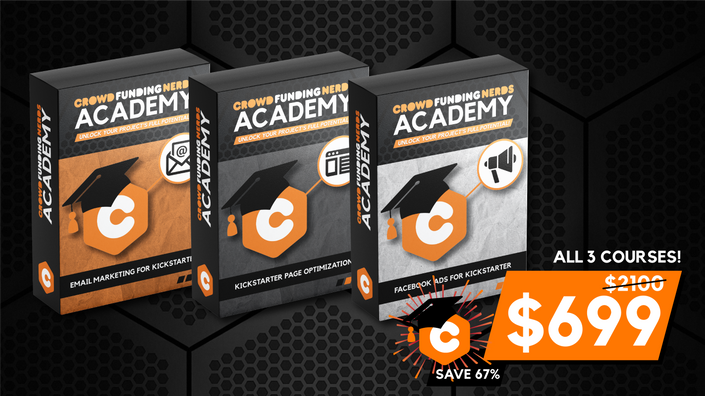
That’s a workable framework. The hard part is knowing how to execute each step without burning time or money—and that’s precisely why we made a course for DIY creators.